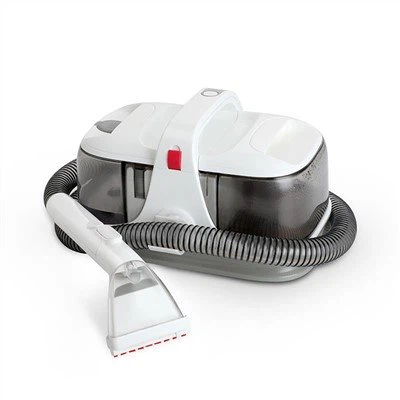
Emptying the dirty water tank of a carpet cleaner vacuum is a crucial maintenance task that ensures the optimal performance of your machine and the cleanliness of your carpets. As a supplier of high-quality carpet cleaner vacuums, I understand the importance of providing clear and detailed instructions on how to carry out this task effectively. In this blog post, I will guide you through the step-by-step process of emptying the dirty water tank of a carpet cleaner vacuum, along with some useful tips and precautions.
Step 1: Power Off the Carpet Cleaner Vacuum
Before you start emptying the dirty water tank, it is essential to turn off the carpet cleaner vacuum and unplug it from the power source. This will prevent any electrical accidents and ensure your safety during the process.
Step 2: Locate the Dirty Water Tank
The location of the dirty water tank may vary depending on the model of your carpet cleaner vacuum. In most cases, the dirty water tank is located at the back or side of the machine. Refer to your user manual to find the exact location of the dirty water tank for your specific model.
Step 3: Remove the Dirty Water Tank
Once you have located the dirty water tank, carefully remove it from the carpet cleaner vacuum. Some models may have a latch or a button that you need to press to release the tank. Make sure to hold the tank firmly to prevent any spills.
Step 4: Empty the Dirty Water
Take the dirty water tank to a suitable drainage area, such as a sink or a bathtub. Slowly pour the dirty water out of the tank, being careful not to spill any on the floor or surrounding surfaces. If the water is particularly dirty or contains debris, you may want to strain it through a fine mesh sieve to prevent clogs in the drainage system.
Step 5: Rinse the Dirty Water Tank
After emptying the dirty water, rinse the tank thoroughly with clean water. Use a soft brush or a cloth to remove any remaining dirt or debris from the inside of the tank. Make sure to rinse all the corners and crevices to ensure a complete clean.
Step 6: Dry the Dirty Water Tank
Once you have rinsed the tank, shake off any excess water and let it air dry completely. You can place the tank upside down on a clean towel or a drying rack to speed up the drying process. Avoid using a hair dryer or any other heat source to dry the tank, as this may damage the plastic or other materials.
Step 7: Reinstall the Dirty Water Tank
Once the dirty water tank is completely dry, carefully reinstall it back into the carpet cleaner vacuum. Make sure to align the tank properly and secure it in place. If your model has a latch or a button, make sure to engage it to ensure a tight fit.

Step 8: Check the Filter
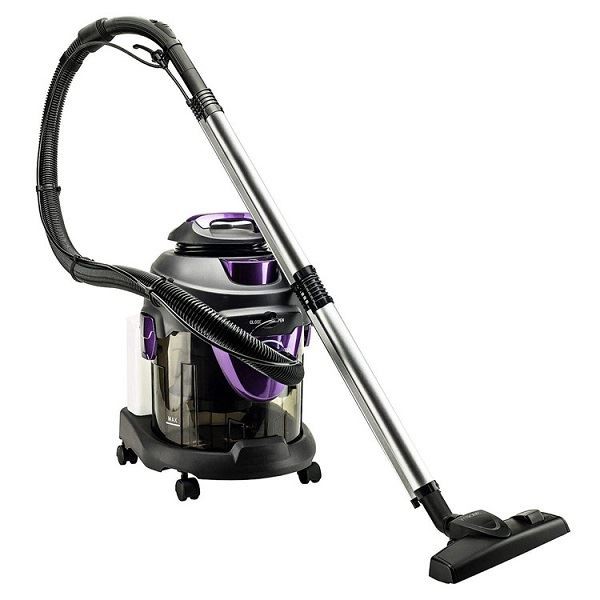
While you have the dirty water tank removed, it is a good idea to check the filter. The filter helps to trap dirt and debris, preventing them from entering the motor and causing damage. Refer to your user manual to find the location of the filter for your specific model. Remove the filter and rinse it under running water to remove any dirt or debris. Let the filter air dry completely before reinstalling it.
Step 9: Clean the Exterior of the Carpet Cleaner Vacuum
While you are performing maintenance on the dirty water tank, take a few minutes to clean the exterior of the carpet cleaner vacuum. Use a soft cloth or a sponge to wipe down the body of the machine, removing any dirt or stains. Pay special attention to the nozzles and the hoses, as these areas can accumulate dirt and debris over time.
Step 10: Reassemble and Test the Carpet Cleaner Vacuum
Once you have completed all the above steps, reassemble the carpet cleaner vacuum and plug it back into the power source. Turn on the machine and test it to make sure it is working properly. Check for any leaks or unusual noises, and make sure the suction is strong.
Tips and Precautions
- Regular Maintenance: Emptying the dirty water tank regularly is essential for the optimal performance of your carpet cleaner vacuum. It is recommended to empty the tank after each use or when it reaches the maximum fill level.
- Use the Right Cleaning Solution: Make sure to use the cleaning solution recommended by the manufacturer for your specific model of carpet cleaner vacuum. Using the wrong cleaning solution can damage the machine and may void the warranty.
- Avoid Overfilling the Tank: Do not overfill the dirty water tank, as this can cause spills and may damage the machine. Make sure to check the maximum fill level indicator on the tank before using the machine.
- Clean the Filter Regularly: Cleaning the filter regularly is important for maintaining the suction power of your carpet cleaner vacuum. Refer to the user manual for the recommended cleaning frequency for your specific model.
- Store the Machine Properly: When not in use, store the carpet cleaner vacuum in a dry and cool place. Make sure to unplug the machine and store it in an upright position to prevent any leaks.
Conclusion
Emptying the dirty water tank of a carpet cleaner vacuum is a simple but important maintenance task that can help to prolong the life of your machine and ensure the cleanliness of your carpets. By following the steps outlined in this blog post and taking the necessary precautions, you can easily empty the dirty water tank and keep your carpet cleaner vacuum in top condition.
If you are in the market for a high-quality Vacuum Carpet Cleaning Machine, Carpet Cleaner Machine, or Spot Clean Professional Portable Carpet Cleaner, we have a wide range of products to choose from. Our machines are designed to provide powerful suction and deep cleaning, making them ideal for both residential and commercial use.
If you have any questions or would like to discuss your specific requirements, please feel free to contact us. We would be happy to assist you in finding the perfect carpet cleaner vacuum for your needs.
References
- Manufacturer's User Manual for Carpet Cleaner Vacuum
- Carpet Cleaning Industry Best Practices Guidelines