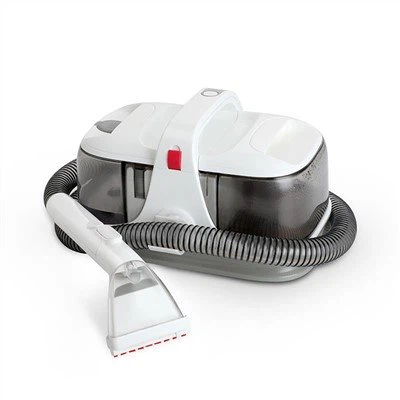
As a supplier of Bed Vacuum Cleaner Robots, I often encounter concerns from customers, especially parents, about the safety of using these devices around children. This blog aims to provide a comprehensive analysis of the safety aspects of bed vacuum cleaner robots in a child - friendly environment.


Understanding Bed Vacuum Cleaner Robots
Bed vacuum cleaner robots are innovative cleaning devices designed to keep your beds clean and free from dust, debris, and allergens. They are equipped with advanced features such as powerful suction, UV - light technology, and intelligent navigation systems. For instance, our Uv Dust Mite Vacuum Cleaner uses UV light to kill dust mites, which are a common cause of allergies, while also sucking up dirt and dust particles.
Safety Features of Bed Vacuum Cleaner Robots
Most modern bed vacuum cleaner robots come with a range of safety features that make them suitable for use around children.
Physical Safety
- Rounded Edges and Smooth Surfaces: Bed vacuum cleaner robots are designed with rounded edges and smooth surfaces to prevent any sharp corners that could potentially harm children. This design ensures that even if a child accidentally bumps into the robot, there is a lower risk of injury.
- Low - Profile Design: These robots typically have a low - profile design, which reduces the risk of them tipping over and causing damage or injury. They are also stable during operation, thanks to their well - balanced construction.
Electrical Safety
- Over - current Protection: To prevent electrical hazards, bed vacuum cleaner robots are equipped with over - current protection. This feature automatically shuts off the robot if an abnormal current flow is detected, reducing the risk of short - circuits and electrical fires.
- Insulated Cords: The power cords of these robots are insulated to prevent electric shocks. They are also designed to be durable and resistant to wear and tear, ensuring long - term safety.
UV - Light Safety
- Shielding and Control Mechanisms: Many bed vacuum cleaner robots, such as our Uv Sanitizing Bed Vacuum and Uv Light Vacuum Cleaner for Bed, use UV light for sanitization purposes. However, they are equipped with shielding and control mechanisms to ensure that the UV light is only emitted in a controlled manner. The UV light is usually enclosed within the device, and there are sensors that prevent the light from being exposed when the robot is not in the proper cleaning position.
Potential Risks and Mitigation Strategies
Despite the safety features, there are still some potential risks associated with using bed vacuum cleaner robots around children.
Entanglement Hazard
- Cords and Wires: The power cords of the robots can pose an entanglement hazard to children. To mitigate this risk, it is recommended to keep the cords out of reach of children when the robot is in use. Some newer models also come with cord - management systems that help keep the cords organized and reduce the risk of entanglement.
Noise and Disturbance
- Noise Levels: Bed vacuum cleaner robots can produce noise during operation, which may disturb children, especially if they are sleeping or concentrating. However, most modern robots are designed to operate quietly. You can also choose to run the robot when children are not in the room or use noise - reducing mats or barriers to minimize the impact of the noise.
Allergen Dispersal
- Dust and Allergens: During the cleaning process, there is a small chance that the robot may disperse some dust and allergens into the air. To address this, it is important to ensure proper ventilation in the room. You can also use high - efficiency particulate air (HEPA) filters in the robot, which can trap a large percentage of dust and allergens, reducing their release into the environment.
Best Practices for Using Bed Vacuum Cleaner Robots Around Children
To ensure the safety of children when using bed vacuum cleaner robots, here are some best practices:
- Supervision: Always supervise children when the bed vacuum cleaner robot is in use. This allows you to intervene immediately if any potential safety issues arise.
- Proper Storage: When not in use, store the robot in a safe place where children cannot access it. This helps prevent accidental activation or damage to the robot.
- Regular Maintenance: Regularly maintain the robot, including cleaning the filters, checking the cords, and ensuring that all safety features are working properly. This helps keep the robot in good working condition and reduces the risk of safety issues.
Conclusion
In conclusion, bed vacuum cleaner robots can be safe to use around children when proper safety measures are taken. The advanced safety features of these robots, such as physical protection, electrical safety, and UV - light control, make them a reliable choice for keeping your beds clean. However, it is important to be aware of the potential risks and follow the best practices to ensure the well - being of children.
If you are interested in purchasing a bed vacuum cleaner robot for your home, we are here to assist you. Our products are designed with the highest safety standards in mind and offer excellent cleaning performance. Contact us for more information and to start a procurement negotiation.
References
- Consumer Product Safety Commission (CPSC). Guidelines for Household Appliance Safety.
- American National Standards Institute (ANSI). Safety Standards for Cleaning Appliances.