Can a water vacuum air cleaner be used in a hospital waiting room?
In a hospital waiting room, the quality of the air is of utmost importance. It is a place where people with various health conditions gather, and clean air can significantly contribute to their well - being and reduce the risk of cross - infection. As a supplier of Water Vacuum Air Cleaners, I am often asked whether our product can be effectively used in such a critical environment. In this blog, I will explore the viability of using a water vacuum air cleaner in a hospital waiting room from multiple aspects.
1. The Need for Clean Air in Hospital Waiting Rooms
Hospital waiting rooms are high - traffic areas. People come in with different illnesses, and the air can be filled with a variety of contaminants. These include dust, pollen, bacteria, viruses, and volatile organic compounds (VOCs) from cleaning products or medical equipment. Poor air quality can exacerbate existing health problems, especially for those with respiratory conditions such as asthma or chronic obstructive pulmonary disease (COPD). Moreover, it can also increase the likelihood of spreading infectious diseases among the waiting patients and hospital staff.
According to a study by the World Health Organization (WHO), indoor air pollution can be up to five times higher than outdoor air pollution in some cases. In a hospital setting, this can have serious consequences. Therefore, having an effective air cleaning system is essential to maintain a healthy environment.
2. How Water Vacuum Air Cleaners Work
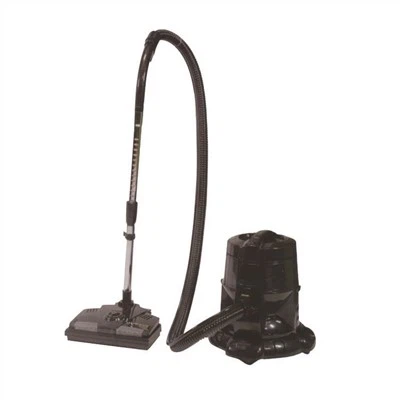
Water vacuum air cleaners operate on a unique principle. They draw in air through a powerful suction mechanism. As the air enters the device, it passes through a water chamber. The water acts as a natural filter, capturing dust, particles, and some microorganisms. The cleaned air is then released back into the room.
One of the key advantages of water vacuum air cleaners is their ability to trap a wide range of contaminants. Unlike traditional air filters that may become clogged over time, the water in the chamber can continuously absorb and hold particles. This means that the cleaning efficiency remains relatively stable over a longer period. Additionally, the water can also help to humidify the air slightly, which can be beneficial in a dry hospital environment.
3. Advantages of Using Water Vacuum Air Cleaners in Hospital Waiting Rooms
3.1. High - Efficiency Filtration
Water vacuum air cleaners can effectively remove a large percentage of airborne particles. They are capable of capturing fine dust, which is often difficult to filter out with traditional air filters. For example, they can trap particles as small as 0.3 microns, which includes many bacteria and viruses. This high - efficiency filtration can significantly improve the air quality in the waiting room, reducing the risk of infection transmission.


3.2. Easy Maintenance
Compared to some other air cleaning systems, water vacuum air cleaners are relatively easy to maintain. The water chamber can be easily emptied and refilled, and the device itself does not require frequent replacement of expensive filters. This makes it a cost - effective solution for a hospital waiting room, where budget constraints are often a concern.
3.3. Odor Reduction
Hospital waiting rooms can sometimes have unpleasant odors from cleaning agents, medical waste, or the presence of sick patients. Water vacuum air cleaners can help to reduce these odors. The water in the chamber can absorb some of the odor - causing molecules, leaving the air in the waiting room smelling fresher.
4. Considerations for Using Water Vacuum Air Cleaners in Hospital Waiting Rooms
4.1. Hygiene
While water vacuum air cleaners are effective at capturing contaminants, proper hygiene practices must be followed. The water in the chamber should be changed regularly to prevent the growth of bacteria and mold. If not maintained properly, the water can become a breeding ground for microorganisms, which can actually worsen the air quality.
4.2. Noise Level
In a hospital waiting room, a quiet environment is crucial for the comfort of patients. Some water vacuum air cleaners can produce a certain level of noise during operation. It is important to choose a model with a low noise level to avoid disturbing the patients.
4.3. Capacity
The size and capacity of the water vacuum air cleaner should be appropriate for the size of the waiting room. A device with insufficient capacity may not be able to effectively clean the air in a large waiting area, while an oversized device may be a waste of energy and resources.
5. Our Product Offerings
As a supplier of Water Vacuum Air Cleaners, we offer a range of products suitable for different environments, including hospital waiting rooms. Our Water Vacuum Cleaner Pool is designed for large - scale applications and can handle a high volume of air. It is equipped with advanced filtration technology to ensure maximum cleaning efficiency.
Our Hydro Filtration Vacuum Cleaner is a more compact and energy - efficient option. It is ideal for smaller waiting rooms or areas where space is limited.
For industrial - scale applications, our Water Vacuum Cleaner Industrial is a powerful solution. It can effectively clean the air in large hospital waiting areas with high traffic.
6. Conclusion and Call to Action
In conclusion, water vacuum air cleaners can be a viable option for use in hospital waiting rooms. They offer high - efficiency filtration, easy maintenance, and odor reduction. However, proper consideration must be given to hygiene, noise level, and capacity.
If you are interested in improving the air quality in your hospital waiting room, we invite you to contact us for more information. Our team of experts can help you choose the most suitable water vacuum air cleaner for your specific needs. We look forward to discussing how our products can contribute to a healthier and more comfortable environment for your patients and staff.
References
- World Health Organization. (2021). Indoor Air Quality. Retrieved from [WHO official website].
- Various studies on air pollution in hospital settings from medical journals.