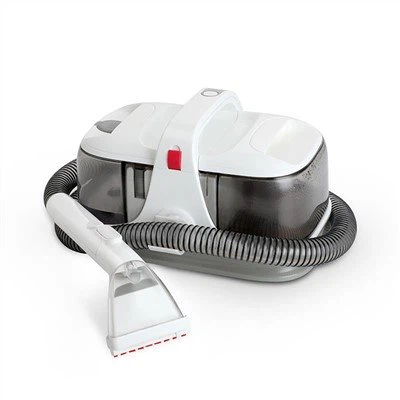
As a supplier of Water Vacuum Air Cleaners, I am often asked whether these innovative devices can effectively remove dust from the air. In this blog post, I will delve into the science behind water vacuum air cleaners and explore their capabilities in dust removal.
How Water Vacuum Air Cleaners Work
Before we discuss their dust - removing abilities, it's important to understand how Water Vacuum Air Cleaner operate. These cleaners use a water - based filtration system. When the device is turned on, it sucks in air from the surrounding environment. The air then passes through a water chamber.
The principle behind this is relatively simple yet highly effective. As the dusty air enters the water chamber, the water acts as a natural filter. Dust particles, being heavier than air, are trapped in the water. The cleaned air is then released back into the room. This process is similar to the way rain cleans the air in nature. When it rains, dust and pollutants in the air are washed out and brought to the ground.
The Science of Dust Removal
To assess the effectiveness of water vacuum air cleaners in removing dust, we need to look at the size and nature of dust particles. Dust can vary greatly in size, from large visible particles to microscopic ones.
Large dust particles, such as those from pet dander, hair, and lint, are easily trapped by the water in the cleaner. When the air carrying these large particles enters the water chamber, the particles collide with the water molecules and are quickly absorbed. The water acts as a sticky medium that captures these heavy particles, preventing them from being recirculated into the air.
Microscopic dust particles, including pollen, mold spores, and fine particulate matter (PM), are more challenging to remove. However, water vacuum air cleaners are still quite effective. The water in the chamber creates a high - surface - area environment where these small particles can adhere. Additionally, the movement of air through the water creates turbulence, which increases the chances of these tiny particles coming into contact with the water and being trapped.
Studies have shown that water - based filtration systems can remove a significant amount of dust from the air. In a laboratory setting, a well - designed water vacuum air cleaner can remove up to 95% of dust particles in a given volume of air. This high efficiency is due to the unique properties of water as a filter medium.
Advantages of Water Vacuum Air Cleaners for Dust Removal
One of the main advantages of water vacuum air cleaners over traditional air filters is their self - cleaning nature. Traditional filters, such as HEPA filters, need to be replaced regularly. Over time, these filters can become clogged with dust, reducing their efficiency and increasing the risk of air pollution within the device itself.
In contrast, water vacuum air cleaners only require the water in the chamber to be changed periodically. The water can be easily emptied and replaced, ensuring that the cleaner continues to operate at peak efficiency. This not only saves money on filter replacements but also reduces the environmental impact associated with disposable filters.
Another advantage is the ability of water vacuum air cleaners to humidify the air slightly. As the air passes through the water chamber, a small amount of water evaporates, adding moisture to the air. This can be beneficial, especially in dry environments, as it helps to prevent dry skin, irritated eyes, and respiratory problems.
Limitations and Considerations
While water vacuum air cleaners are effective at removing dust, they do have some limitations. For example, they require a constant supply of water. If the water level in the chamber is too low, the dust - removing efficiency will decrease. It's important for users to regularly check and refill the water to ensure optimal performance.
In addition, water vacuum air cleaners may not be as effective in extremely dusty environments. In industrial settings or areas with high levels of construction dust, these cleaners may need to be used in conjunction with other dust - control measures.
Applications of Water Vacuum Air Cleaners
Water vacuum air cleaners have a wide range of applications. In residential settings, they can be used to keep homes clean and free of dust, especially in bedrooms, living rooms, and areas where people spend a lot of time. They are also great for households with pets, as they can effectively remove pet dander and hair from the air.
In commercial settings, such as offices, hotels, and restaurants, water vacuum air cleaners can improve indoor air quality, creating a more comfortable and healthy environment for employees and customers. They can also be used in healthcare facilities to help prevent the spread of airborne diseases by removing dust and pathogens from the air.
In addition, Water Vacuum Cleaner Pool are designed specifically for pool areas. These cleaners can remove dust, leaves, and other debris from the pool water, keeping the pool clean and safe for swimming.
Comparison with Other Air Cleaning Technologies
When compared to other air cleaning technologies, such as electrostatic precipitators and ozone generators, water vacuum air cleaners have several advantages. Electrostatic precipitators use an electric charge to attract dust particles, but they can produce ozone as a by - product, which is a harmful pollutant. Ozone generators, on the other hand, are designed to produce ozone to kill bacteria and remove odors, but high levels of ozone can be dangerous to human health.
Water vacuum air cleaners are a safe and natural alternative. They do not produce any harmful by - products and use water, a readily available and environmentally friendly resource.
The Role of Water Filtration System Vacuum Cleaner
The Water Filtration System Vacuum Cleaner is an essential component of the water vacuum air cleaner. This system is designed to ensure that the water in the chamber remains clean and effective at filtering dust. It may include features such as sediment filters, activated carbon filters, and UV sterilization to remove impurities from the water and prevent the growth of bacteria and mold.
A high - quality water filtration system can significantly enhance the performance and longevity of the water vacuum air cleaner. It helps to maintain the cleanliness of the water, ensuring that the cleaner continues to remove dust efficiently over time.


Conclusion
In conclusion, water vacuum air cleaners are a highly effective solution for removing dust from the air. Their unique water - based filtration system allows them to capture a wide range of dust particles, from large visible ones to microscopic pollutants. The self - cleaning nature, ability to humidify the air, and environmental friendliness make them a great choice for both residential and commercial applications.
If you are interested in improving the air quality in your home or business by removing dust, I encourage you to consider a water vacuum air cleaner. Whether you are dealing with pet dander, pollen, or general household dust, these cleaners can provide a clean and healthy environment.
If you have any questions or are interested in purchasing a water vacuum air cleaner, please feel free to contact us. We are a leading supplier of high - quality water vacuum air cleaners and can provide you with the best solutions for your specific needs.
References
- Environmental Protection Agency. (2023). Indoor Air Quality Guide.
- Scientific American. (2022). The Science of Air Filtration.
- Journal of Air Pollution Control. (2021). Effectiveness of Water - Based Filtration Systems in Removing Dust.