


Maintaining the optimal performance of your robotic vacuum cleaner is crucial for efficient and long - lasting cleaning. One of the key components that often requires regular attention is the air intake. As a supplier of a wide range of robotic vacuum cleaners, including the Robot Vacuum for Carpet, Smart Robot Vacuum Cleaner Wet Dry TUYA, and Easy Home Robot Vacuum Cleaner, I understand the importance of proper air intake cleaning. In this blog, I'll guide you through the process of cleaning the air intake of your robotic vacuum cleaner.
Why Clean the Air Intake?
The air intake of a robotic vacuum cleaner plays a vital role in its suction power. When the air intake gets clogged with dust, hair, and debris, the vacuum's suction efficiency decreases. This means that your vacuum may not pick up dirt as effectively, leaving your floors less clean. Additionally, a blocked air intake can put extra strain on the motor, potentially leading to overheating and a shorter lifespan for your vacuum cleaner. Regularly cleaning the air intake can help maintain strong suction, improve cleaning performance, and extend the life of your device.
Tools You'll Need
Before you start cleaning the air intake, gather the following tools:
- Soft Brush: A soft - bristled brush, such as a paintbrush or a specialized vacuum cleaner brush, is ideal for gently removing dust and debris from the air intake.
- Compressed Air Canister: This can be used to blow out stubborn dirt and dust from hard - to - reach areas.
- Clean Cloth: A clean, dry cloth will be useful for wiping down the air intake and other parts of the vacuum cleaner.
Step - by - Step Cleaning Process
Step 1: Power Off and Unplug the Vacuum
Safety first! Make sure your robotic vacuum cleaner is turned off and unplugged from its charging station or power source. This will prevent any accidental starts during the cleaning process.
Step 2: Locate the Air Intake
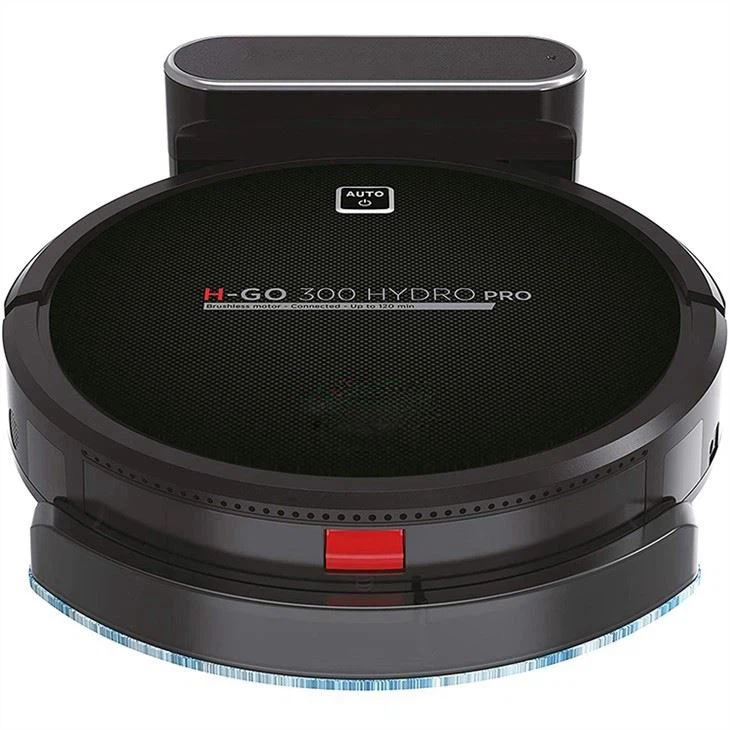
The location of the air intake can vary depending on the model of your robotic vacuum cleaner. In most cases, it can be found on the bottom or side of the device. Refer to your vacuum's user manual if you're having trouble finding it.
Step 3: Remove Loose Debris
Use the soft brush to gently sweep away any loose dust, hair, and debris from the air intake. Start from the outer edges and work your way towards the center. Be careful not to push the debris further into the intake. You can also use the brush to clean around the edges of the air intake to remove any buildup.
Step 4: Use Compressed Air
If there are still stubborn particles stuck in the air intake, use a compressed air canister. Hold the canister upright and spray short bursts of air into the intake. This will help dislodge the dirt and blow it out. Make sure to keep the canister at a safe distance from the intake to avoid damaging any internal components.
Step 5: Wipe Down the Air Intake
After removing the debris, use a clean cloth to wipe down the air intake. This will remove any remaining dust and ensure a clean surface. You can also wipe down the surrounding area to keep the entire vacuum cleaner looking clean.
Step 6: Check for Other Blockages
While you're cleaning the air intake, take a moment to check for other potential blockages in the vacuum cleaner. Look for clogs in the suction tube, filters, and brush rolls. If you find any blockages, follow the manufacturer's instructions to remove and clean them.
Frequency of Cleaning
The frequency of air intake cleaning depends on several factors, such as how often you use your vacuum cleaner and the type of environment it operates in. If you use your vacuum cleaner daily in a high - traffic area with lots of dust and debris, you may need to clean the air intake once a week. For less frequent use or in a cleaner environment, cleaning the air intake once every two weeks or once a month may be sufficient.

Tips for Maintaining a Clean Air Intake
- Empty the Dustbin Regularly: A full dustbin can cause dirt to back up into the air intake. Make sure to empty the dustbin after each use or when it reaches its maximum capacity.
- Clean Filters Regularly: Filters also play a role in keeping the air intake clean. Follow the manufacturer's instructions for cleaning or replacing the filters.
- Keep the Vacuum's Operating Area Clean: Minimize the amount of dust and debris on the floors where your robotic vacuum operates. This can help reduce the amount of dirt that reaches the air intake.
Conclusion
Cleaning the air intake of your robotic vacuum cleaner is a simple yet essential maintenance task that can significantly improve its performance and longevity. By following the steps outlined in this blog, you can ensure that your vacuum cleaner continues to provide efficient and effective cleaning.
If you're in the market for a new robotic vacuum cleaner or looking to upgrade your existing one, we offer a wide range of high - quality products, including the Robot Vacuum for Carpet, Smart Robot Vacuum Cleaner Wet Dry TUYA, and Easy Home Robot Vacuum Cleaner. Our vacuums are designed with advanced features to provide superior cleaning performance.
If you're interested in purchasing our products or have any questions about our robotic vacuum cleaners, we encourage you to reach out for a procurement discussion. We're here to help you find the perfect vacuum cleaner for your needs.
References
- User manuals of various robotic vacuum cleaners
- Industry knowledge on vacuum cleaner maintenance


