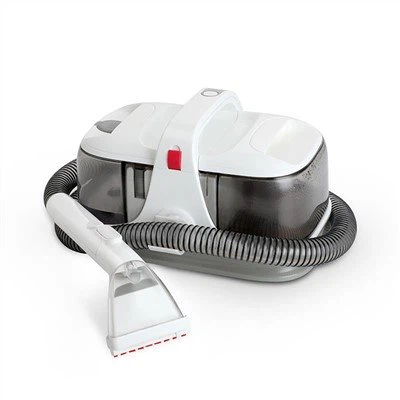
Cleaning the filters in a bagged vacuum cleaner is an essential maintenance task that ensures the optimal performance and longevity of your appliance. As a proud supplier of high-quality bagged vacuum cleaners, I understand the importance of proper filter maintenance. In this blog post, I'll share detailed steps on how to clean the filters in a bagged vacuum cleaner, along with tips and insights to make the process as smooth as possible.
Why Clean Your Vacuum Cleaner Filters?
Before we dive into the cleaning process, let's understand why filter cleaning is so crucial. Over time, dust, dirt, and debris accumulate in the filters of your vacuum cleaner. This buildup restricts the airflow, reducing the suction power and efficiency of the vacuum. A clogged filter can also cause the motor to work harder, increasing energy consumption and potentially shortening the lifespan of the appliance. Regularly cleaning the filters not only maintains the performance of your vacuum cleaner but also helps to improve indoor air quality by preventing the recirculation of dust and allergens.
Tools You'll Need
To clean the filters in your bagged vacuum cleaner, you'll need the following tools:
- Soft brush or compressed air canister: This will be used to remove loose dirt and debris from the filters.
- Mild detergent or filter cleaning solution: Check the manufacturer's instructions for the recommended cleaning solution.
- Clean water: For rinsing the filters.
- Clean, dry cloth or towel: To pat the filters dry after cleaning.
Step-by-Step Guide to Cleaning Filters
Step 1: Unplug the Vacuum Cleaner
Safety first! Before starting any maintenance on your vacuum cleaner, make sure it is unplugged from the power source to avoid the risk of electric shock.
Step 2: Locate the Filters
The location of the filters in a bagged vacuum cleaner can vary depending on the model. Most bagged vacuum cleaners have at least two types of filters: the pre-motor filter and the post-motor filter. The pre-motor filter is usually located near the dust bag or at the air intake, while the post-motor filter is located after the motor, often at the back of the vacuum cleaner. Refer to your vacuum cleaner's user manual for the exact location of the filters.


Step 3: Remove the Filters
Once you've located the filters, carefully remove them from the vacuum cleaner. Some filters may be held in place by clips or latches, while others may simply slide out. Take your time to avoid damaging the filters or the vacuum cleaner.
Step 4: Remove Loose Dirt and Debris
Use a soft brush or a compressed air canister to gently remove any loose dirt and debris from the filters. Start by brushing the surface of the filter in a gentle, sweeping motion to dislodge as much dirt as possible. If you're using a compressed air canister, hold the canister at a distance and use short, bursts of air to blow the dirt out of the filter. Be careful not to use too much pressure, as this could damage the filter.
Step 5: Wash the Filters
If the filters are washable (check the manufacturer's instructions), fill a sink or basin with warm water and add a small amount of mild detergent or filter cleaning solution. Immerse the filters in the water and gently swish them around to loosen any stubborn dirt. Avoid scrubbing the filters too vigorously, as this could damage the filter material. Rinse the filters thoroughly under running water to remove all the detergent and dirt.
Step 6: Dry the Filters
After washing, gently shake the filters to remove excess water. Then, place the filters on a clean, dry cloth or towel and pat them dry. Avoid wringing or twisting the filters, as this could damage the filter material. Allow the filters to air dry completely before reinstalling them in the vacuum cleaner. This may take several hours or even overnight, depending on the humidity and temperature of your environment.
Step 7: Reinstall the Filters
Once the filters are completely dry, carefully reinstall them in the vacuum cleaner. Make sure the filters are properly seated and secured in place. Refer to your vacuum cleaner's user manual for the correct installation procedure.
Tips for Maintaining Your Vacuum Cleaner Filters
- Clean the filters regularly: The frequency of filter cleaning depends on how often you use your vacuum cleaner and the type of dirt and debris you're cleaning up. As a general rule, it's a good idea to clean the pre-motor filter every 1-2 months and the post-motor filter every 3-6 months. However, if you have pets or allergies, you may need to clean the filters more frequently.
- Replace the filters when necessary: Even with regular cleaning, filters will eventually wear out and need to be replaced. Check the manufacturer's instructions for the recommended replacement schedule for your vacuum cleaner's filters. Signs that it's time to replace the filters include reduced suction power, a musty smell, or visible damage to the filter material.
- Use high-quality filters: Investing in high-quality filters can make a big difference in the performance and longevity of your vacuum cleaner. Look for filters that are designed to trap fine dust and allergens, such as Bagged Vacuum Cleaner with Hepa Filter. These filters can help to improve indoor air quality and reduce the risk of respiratory problems.
- Keep the vacuum cleaner bag clean: A full or dirty vacuum cleaner bag can also affect the performance of the filters. Make sure to empty the bag regularly and replace it when it's full. This will help to maintain proper airflow and prevent the filters from getting clogged.
Conclusion
Cleaning the filters in a bagged vacuum cleaner is a simple but important maintenance task that can help to keep your vacuum cleaner running smoothly and efficiently. By following the steps outlined in this blog post and implementing the tips for filter maintenance, you can extend the lifespan of your vacuum cleaner and improve the quality of the air in your home.
If you're in the market for a new bagged vacuum cleaner or need replacement filters for your existing appliance, we're here to help. We offer a wide range of Bagged Upright Vacuum Cleaner with Attachments and Commercial Bag Vacuum Cleaner to meet your specific needs. Contact us today to learn more about our products and how we can assist you with your cleaning needs.
References
- Manufacturer's user manuals for bagged vacuum cleaners
- Industry best practices for vacuum cleaner maintenance