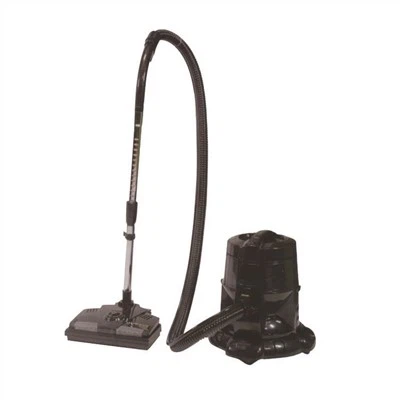
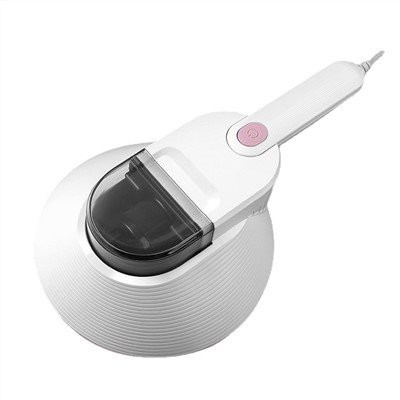
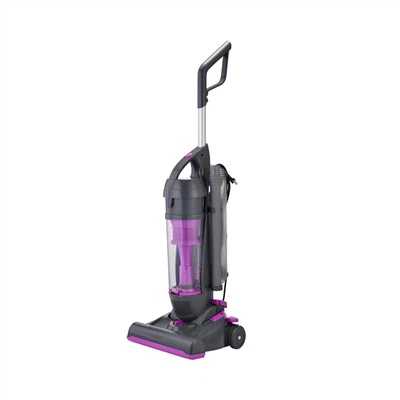
Troubleshooting a bagless vacuum cleaner with low suction can be a frustrating experience, but as a supplier of high - quality bagless vacuum cleaners, I'm here to guide you through the process. In this blog, I'll walk you through a series of steps to identify and resolve the issues causing your vacuum's reduced suction power.
Check the Canister and Dust Collection
The first and most straightforward step is to examine the Bagless Vacuum Cleaner Canister. Over time, the canister can become filled with dirt, dust, and debris, which restricts airflow and decreases suction. If the canister is near or at its maximum capacity, empty it immediately.
When emptying the canister, make sure to do so in a proper trash bin outdoors. Gently tap the canister to remove any stubborn particles stuck to the sides. Rinse the canister under running water if it is washable, and let it dry completely before reinstalling it. This simple step often restores a significant amount of suction power.
Inspect the canister filter as well. A clogged filter can block the airflow, just like a full canister. Most bagless vacuum cleaners come with a pre - filter and a post - filter. The pre - filter captures large particles, while the post - filter traps fine dust. Remove the filter and check for blockages. If the filter is washable, clean it according to the manufacturer's instructions. Usually, it involves rinsing the filter under lukewarm water until the water runs clear, then allowing it to dry thoroughly. If the filter is non - washable and appears too dirty, it may need to be replaced.
Examine the Hose and Attachments
The hose of your vacuum cleaner can be a common source of low suction problems. Check the entire length of the hose for blockages. Sometimes, large objects like toys, pieces of clothing, or balls of hair can get stuck inside the hose, preventing proper airflow. To check for blockages, disconnect the hose from the vacuum cleaner and the attachments. Hold one end of the hose up to a bright light and look through it. If you see an obstruction, you can try using a long, thin object like a broom handle or a plumbing snake to gently dislodge the blockage. Be careful not to damage the hose while doing this.
Inspect all the attachments as well. Attachments such as the crevice tool, upholstery brush, and floor nozzle can also get clogged. Check the openings of these attachments for any debris, and use a small brush or a toothpick to remove any dirt or dust that may be blocking the airflow. Ensure that all the attachments are properly connected to the hose. A loose connection can cause air to leak, reducing the suction power.
Look at the Brush Roll
If your bagless vacuum cleaner has a brush roll, it is an important component that can affect suction. The brush roll is designed to agitate the carpet fibers and loosen dirt, making it easier for the vacuum to pick up. However, over time, hair, strings, and other debris can wrap around the brush roll, causing it to slow down or stop spinning.

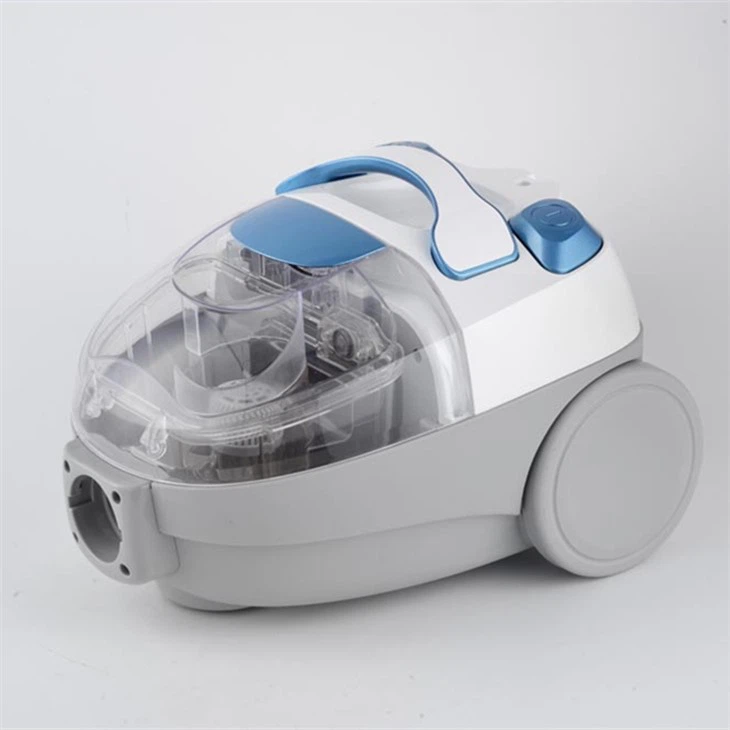
To clean the brush roll, turn off the vacuum cleaner and unplug it from the power source. Locate the brush roll cover, which is usually either on the bottom or the side of the floor nozzle. Remove the cover and carefully remove any hair, strings, or debris wrapped around the brush roll. You can use a pair of scissors to cut through any stubborn tangles. Check the brush roll bearings as well. If they are dirty or damaged, it can cause the brush roll to spin unevenly or not at all. Clean the bearings according to the manufacturer's instructions or replace them if necessary.
Assess the Air Path
The air path of the vacuum cleaner includes all the channels and ports through which air flows from the floor nozzle to the canister. Check for any blockages in the air path inside the vacuum cleaner itself. There may be built - in filters or ducts that can become clogged with dust and dirt. Some vacuum cleaners have access panels that you can remove to clean these areas. Refer to the user manual for your specific model to locate and clean the air path components.
Ensure that there are no kinks or bends in the air path. A kinked hose or a bent duct can significantly reduce the airflow and suction power. Straighten out any kinks or bends to restore proper airflow.
Evaluate the Motor
If all the above steps have been completed and the vacuum still has low suction, it's time to consider the motor. The motor is the heart of the vacuum cleaner, and if it is not functioning properly, the suction power will be affected. Listen for any unusual noises coming from the motor when the vacuum is running. A grinding or squealing noise may indicate a problem with the motor bearings or other internal components.
However, motor issues are often complex and require professional repair. If you suspect a motor problem, it is recommended that you contact a qualified technician or the manufacturer's customer service for assistance. They will be able to diagnose the problem accurately and provide the necessary repairs.
Preventive Maintenance
To avoid future issues with low suction, regular preventive maintenance is essential. Here are some tips:
- Empty the canister after each use or when it reaches about two - thirds of its capacity.
- Clean the filters regularly, following the manufacturer's instructions.
- Check the hose and attachments for blockages and clean them as needed.
- Inspect the brush roll and remove any debris at least once a month.
Our Product Range
As a supplier of bagless vacuum cleaners, we offer a wide range of products to meet your cleaning needs. Our Bagless Multi - cyclone Vacuum Cleaner uses advanced multi - cyclone technology to separate dust and debris from the air, providing powerful and consistent suction. It also has a large canister capacity, reducing the frequency of emptying.
For those who prefer a quieter cleaning experience, our Quiet Bagless Cylinder Vacuum Cleaner is an excellent choice. It combines high - performance suction with low noise levels, allowing you to clean without disturbing others.
If you are interested in our products or have any questions about troubleshooting your bagless vacuum cleaner, we welcome you to contact us for procurement and further discussions. We are committed to providing you with the best products and services to ensure a clean and healthy living environment.
References
- Manufacturer's user manuals for bagless vacuum cleaners
- Industry standards for vacuum cleaner performance and maintenance