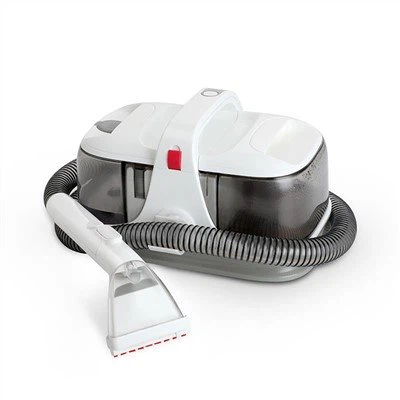
Hey there! As a supplier of Corded Vacuum Cleaner Stick, I've seen my fair share of issues with these nifty cleaning tools. One of the most common complaints I get from customers is low suction. It can be super frustrating when your vacuum isn't picking up dirt and debris like it should. But don't worry, I'm here to walk you through some troubleshooting steps to get your corded vacuum cleaner stick back in top shape.
Check the Power Source
The first thing you should do when you notice low suction is to check the power source. It might sound obvious, but sometimes the simplest things are the ones we overlook. Make sure the vacuum is properly plugged into a working outlet. You can try plugging another device into the same outlet to confirm that it's getting power. If the outlet isn't working, try a different one.
Also, take a look at the power cord. Check for any signs of damage, like cuts or frayed wires. If you find any damage, don't use the vacuum until you've replaced the cord. Using a damaged cord can be dangerous and may cause further problems with the vacuum.
Empty the Dustbin
A full dustbin can really affect the suction power of your corded vacuum cleaner stick. When the dustbin is full, there's less space for air to flow through the vacuum, which reduces the suction. So, the next step is to empty the dustbin.
Most corded vacuum cleaner sticks have a removable dustbin. Just follow the instructions in the user manual to take it off and empty it. Make sure to do this over a trash can and give the dustbin a good shake to get rid of all the dirt and debris. After emptying it, put the dustbin back on the vacuum and make sure it's properly attached.
Clean or Replace the Filters
Filters play a crucial role in keeping your vacuum working efficiently. Over time, they can get clogged with dust and dirt, which restricts the airflow and reduces the suction. So, it's important to clean or replace the filters regularly.
Check your user manual to see if your vacuum has a washable filter. If it does, remove the filter and wash it under running water. Let it dry completely before putting it back in the vacuum. If the filter isn't washable, you'll need to replace it. You can usually find replacement filters at your local hardware store or online.
In addition to the main filter, some corded vacuum cleaner sticks also have a pre - motor filter. This filter helps protect the motor from dust and debris. Check this filter as well and clean or replace it if necessary.
Inspect the Hose and Nozzle
The hose and nozzle are the parts of the vacuum that come into direct contact with the dirt and debris. They can get clogged with hair, dust bunnies, and other large objects, which can block the airflow and reduce the suction.
Start by checking the hose. Look inside it to see if there's anything blocking it. You can use a long, thin object like a broomstick or a wire hanger to gently push out any clogs. Be careful not to damage the hose while doing this.
Next, check the nozzle. Remove it from the vacuum and look for any blockages. You can use a pair of tweezers to pull out any hair or debris that's stuck in the nozzle. Also, make sure the brush roll in the nozzle is spinning freely. If it's not, there might be hair wrapped around it. Use a pair of scissors to carefully cut away the hair and free up the brush roll.
Examine the Seals and Gaskets
The seals and gaskets in your corded vacuum cleaner stick are designed to prevent air from leaking out. If these seals are damaged or not properly seated, air can escape, which reduces the suction.
Inspect all the seals and gaskets in the vacuum. Look for any signs of wear, tear, or damage. If you find any damaged seals or gaskets, you'll need to replace them. You can usually order replacement parts from the manufacturer or find them at a local repair shop.
Check the Motor
If you've gone through all the above steps and the vacuum still has low suction, the problem might be with the motor. The motor is the heart of the vacuum, and if it's not working properly, the suction will be affected.
However, checking the motor can be a bit more complicated and may require some technical knowledge. If you're not comfortable working on the motor yourself, it's best to take the vacuum to a professional repair shop. They have the tools and expertise to diagnose and fix motor problems.
Other Tips
- Use the Right Attachments: Make sure you're using the right attachments for the job. Different attachments are designed for different surfaces and types of dirt. Using the wrong attachment can reduce the suction efficiency.
- Keep the Vacuum Clean: Regularly clean the outside of the vacuum to prevent dust and debris from building up on it. This can also help keep the vacuum working properly.
As a supplier of Corded Vacuum Cleaner Stick, I also offer a wide range of other great products, like Vertical Vacuum Cleaner Corded and Stick Vacuum Cleaner and Mop. These products are designed to make your cleaning tasks easier and more efficient.
If you're in the market for a new corded vacuum cleaner stick or have any questions about troubleshooting your current one, don't hesitate to reach out. We're always here to help you find the best cleaning solutions for your home. Whether you're a homeowner, a business owner, or a cleaning service provider, we can work with you to meet your needs.


References
- Vacuum Cleaner User Manuals
- Industry - standard Vacuum Cleaner Repair Guides