


When it comes to maintaining a clean and healthy environment, water vacuum air cleaners have emerged as a popular choice for both residential and industrial settings. As a supplier of water vacuum air cleaners, I often get asked about the lifespan of these devices. In this blog post, I'll delve into the factors that influence the longevity of a water vacuum air cleaner and provide some insights on how to maximize its lifespan.
Understanding the Basics of Water Vacuum Air Cleaners
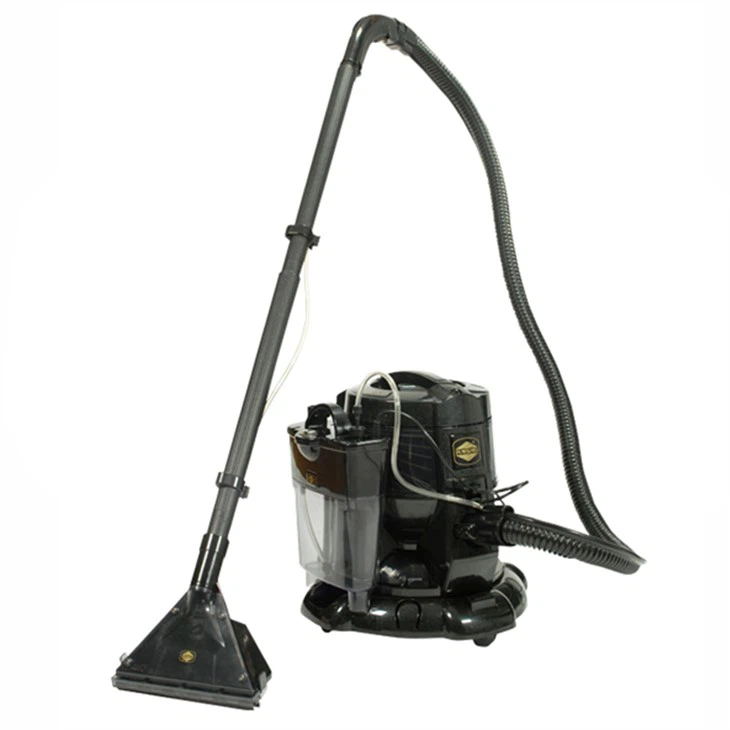
Before we discuss the lifespan, it's essential to understand how water vacuum air cleaners work. These devices use water as a filtration medium to capture dust, allergens, and other pollutants from the air. The air is drawn into the cleaner, where it passes through the water, which traps the particles. Clean air is then released back into the environment.
There are different types of water vacuum air cleaners available in the market, each designed for specific applications. For industrial use, you can explore the Water Vacuum Cleaner Industrial, which is built to handle heavy-duty cleaning tasks. For a more general-purpose option, the Hydro Filtration Vacuum Cleaner is a great choice. And if you need to clean your pool area, the Water Vacuum Cleaner Pool is specifically designed for that purpose.
Factors Affecting the Lifespan of a Water Vacuum Air Cleaner
Several factors can influence how long a water vacuum air cleaner lasts. Let's take a closer look at each of these factors:
Quality of Construction
The build quality of the water vacuum air cleaner plays a significant role in its lifespan. High-quality cleaners are typically made from durable materials that can withstand regular use and wear and tear. Cheaper models may use lower-quality components, which can lead to premature failure. When choosing a water vacuum air cleaner, it's important to invest in a reputable brand that is known for its quality and reliability.
Frequency of Use
The more often you use your water vacuum air cleaner, the more wear and tear it will experience. If you use the cleaner daily in a high-traffic area, it will likely have a shorter lifespan compared to one that is used less frequently. However, regular use is also important to keep the air in your environment clean and healthy. It's a balance between using the cleaner enough to maintain air quality and not overusing it to the point of causing excessive wear.
Maintenance and Care
Proper maintenance and care are crucial for extending the lifespan of a water vacuum air cleaner. This includes regularly changing the water in the cleaner, cleaning the filters, and checking for any signs of damage or wear. Neglecting maintenance can lead to clogs, reduced performance, and even permanent damage to the device. Follow the manufacturer's instructions for maintenance and cleaning to ensure optimal performance and longevity.
Environmental Conditions
The environment in which the water vacuum air cleaner is used can also affect its lifespan. If the cleaner is used in a dusty or dirty environment, it will have to work harder to filter the air, which can put more strain on the device. Additionally, extreme temperatures and humidity levels can also impact the performance and lifespan of the cleaner. Try to use the cleaner in a clean, well-ventilated area and avoid exposing it to harsh environmental conditions.
Average Lifespan of a Water Vacuum Air Cleaner
On average, a well-maintained water vacuum air cleaner can last anywhere from 5 to 10 years. However, this can vary depending on the factors mentioned above. Some high-quality cleaners may last even longer, while cheaper models may need to be replaced sooner.
It's important to note that the lifespan of the cleaner doesn't necessarily mean it will stop working completely after a certain number of years. Over time, the performance of the cleaner may gradually decline, and it may not be as effective at filtering the air as it once was. In such cases, it may be time to consider replacing the cleaner to ensure that you are still getting the best air quality in your environment.
Tips to Maximize the Lifespan of Your Water Vacuum Air Cleaner
To get the most out of your water vacuum air cleaner and extend its lifespan, here are some tips to follow:

Follow the Manufacturer's Instructions
The manufacturer's instructions are your best guide for using and maintaining your water vacuum air cleaner. Make sure to read the manual carefully and follow all the recommended procedures for cleaning, maintenance, and operation. This will help ensure that the cleaner operates at its best and lasts as long as possible.
Regularly Change the Water
The water in the cleaner acts as a filtration medium, so it's important to change it regularly to keep it clean and effective. How often you need to change the water depends on how often you use the cleaner and the level of pollutants in the air. As a general rule, it's a good idea to change the water after each use or at least once a week if you use the cleaner less frequently.
Clean the Filters
Most water vacuum air cleaners have filters that need to be cleaned or replaced periodically. Check the manufacturer's instructions for how often to clean or replace the filters. Cleaning the filters regularly will help prevent clogs and ensure that the cleaner can effectively filter the air.
Check for Damage and Wear
Regularly inspect your water vacuum air cleaner for any signs of damage or wear. Look for cracks, leaks, or loose parts. If you notice any issues, address them immediately to prevent further damage and ensure the safety and performance of the cleaner.
Store the Cleaner Properly
When not in use, store the water vacuum air cleaner in a dry, clean place. Avoid storing it in a damp or dusty environment, as this can damage the device. If possible, store the cleaner in its original packaging or a protective case to prevent scratches and other damage.
Conclusion
The lifespan of a water vacuum air cleaner depends on several factors, including the quality of construction, frequency of use, maintenance and care, and environmental conditions. By investing in a high-quality cleaner, using it properly, and following the recommended maintenance procedures, you can maximize its lifespan and ensure that it continues to provide clean, healthy air for years to come.
If you're in the market for a water vacuum air cleaner or have any questions about our products, we'd love to hear from you. Contact us to discuss your specific needs and explore our range of water vacuum air cleaners. We're committed to providing you with the best products and service to help you maintain a clean and healthy environment.
References
- Manufacturer's manuals for water vacuum air cleaners
- Industry research on air cleaner performance and lifespan


