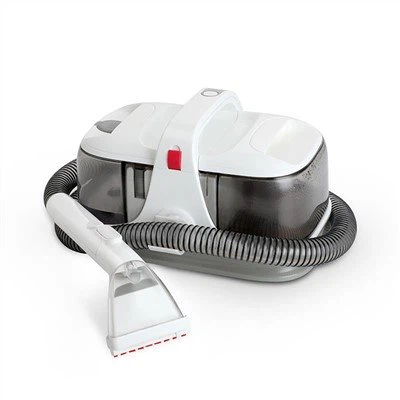
Optimizing the cleaning performance of a hardfloor washer is crucial for both domestic and commercial settings. As a leading hardfloor washer supplier, we understand the importance of delivering high - quality cleaning results. In this blog, we'll explore various strategies and tips to help you get the most out of your hardfloor washer.
Understanding the Basics of Hardfloor Washers
Before delving into optimization techniques, it's essential to have a basic understanding of hardfloor washers. These machines are designed to clean hard surfaces such as tile, vinyl, hardwood, and concrete. They typically combine water, cleaning solutions, and mechanical action to remove dirt, grime, and stains.
There are different types of hardfloor washers available in the market. For instance, the [Electric Hard Floor Washer](/cleaning - appliainces/hardfloor - washer/electric - hard - floor - washer.html) is a popular choice for its consistent power supply. It can handle large - scale cleaning tasks effectively, making it suitable for commercial spaces like supermarkets, warehouses, and offices. On the other hand, the [Cordless Hard Floor Cleaner](/cleaning - appliainces/hardfloor - washer/cordless - hard - floor - cleaner.html) offers greater mobility and flexibility. It's ideal for smaller areas or places where cords might be a hindrance, such as homes or small shops. The [Hard Floor Mop Machine](/cleaning - appliainces/hardfloor - washer/hard - floor - mop - machine.html) combines the functions of mopping and washing, providing a comprehensive cleaning solution.
Selecting the Right Cleaning Solution
One of the key factors in optimizing cleaning performance is choosing the appropriate cleaning solution. Different hardfloor materials require different types of cleaners. For example, acidic cleaners are great for removing mineral deposits and rust stains on tile floors, but they can damage hardwood floors. Alkaline cleaners, on the other hand, are effective for grease and oil removal and are generally safe for most hard surfaces.
When selecting a cleaning solution, consider the level of soiling. For light dirt and dust, a mild, all - purpose cleaner may be sufficient. However, for heavy - duty cleaning, such as removing industrial grease or stubborn stains, a more concentrated and specialized cleaner is necessary. It's also important to follow the manufacturer's instructions regarding the dilution ratio of the cleaning solution. Using too much cleaner can leave a residue on the floor, while using too little may not provide adequate cleaning power.
Pre - Cleaning Preparation
Proper pre - cleaning preparation can significantly enhance the cleaning performance of a hardfloor washer. Start by removing any large debris, such as leaves, twigs, or paper, from the floor. This can be done using a broom or a vacuum cleaner. Removing these large particles prevents them from clogging the washer's nozzles or brushes.
Inspect the floor for any sticky substances or stubborn stains. You can spot - clean these areas before using the hardfloor washer. For example, if there is chewing gum on the floor, use a gum remover to dissolve it. This targeted pre - treatment ensures that the washer can focus on the general cleaning of the floor rather than struggling to remove these tough spots.
Adjusting the Machine Settings
Most modern hardfloor washers come with adjustable settings that allow you to customize the cleaning process according to the floor type and the level of soiling. One of the important settings is the water flow rate. For light cleaning, a lower water flow rate may be sufficient, as it conserves water and reduces the drying time. However, for heavy - duty cleaning, a higher water flow rate can help to dislodge and remove stubborn dirt.
The pressure setting is also crucial. Higher pressure can provide more powerful cleaning, but it may not be suitable for all floor types. For delicate surfaces like hardwood or some types of vinyl, a lower pressure setting should be used to avoid damage. Additionally, some hardfloor washers have adjustable brush speed settings. Faster brush speeds can be used for more aggressive cleaning, while slower speeds are better for gentle surfaces or when a more thorough cleaning of a small area is required.
Maintaining the Hardfloor Washer
Regular maintenance of the hardfloor washer is essential to ensure optimal cleaning performance. After each use, empty the dirty water tank and rinse it thoroughly to prevent the growth of bacteria and the buildup of dirt. Clean the brushes and nozzles to remove any debris that may have accumulated. This can be done by soaking the brushes in warm, soapy water and using a small brush to clean the nozzles.
Check the filters regularly and replace them when they are dirty. Clogged filters can reduce the suction power and the overall efficiency of the washer. Also, inspect the hoses and connections for any leaks or damage. Leaking hoses can lead to a loss of water pressure and uneven cleaning.
Using the Right Technique
The way you use the hardfloor washer can also affect its cleaning performance. When operating the machine, move it slowly and steadily. This allows the brushes and the cleaning solution to have enough time to work on the dirt. Overlapping the cleaning paths ensures that no area is missed.
For larger areas, divide the floor into sections and clean one section at a time. This helps to maintain a consistent cleaning quality and prevents you from getting overwhelmed. When cleaning around edges and corners, use the appropriate attachments that come with the washer. These attachments are designed to reach tight spaces and provide a more thorough cleaning.
Drying the Floor
After cleaning, it's important to dry the floor properly. Leaving the floor wet can lead to slips and falls, and it can also cause damage to some floor materials over time. Most hardfloor washers have a suction function to remove as much water as possible. However, additional drying may be required, especially in large areas.
You can use a dry mop or a floor squeegee to remove the remaining water. In some cases, using a fan to increase air circulation can speed up the drying process. Make sure the floor is completely dry before allowing foot traffic on it.
Training and Operator Skill
If you are using the hardfloor washer in a commercial setting, proper training of the operators is crucial. A well - trained operator knows how to adjust the machine settings correctly, use the right cleaning solutions, and follow the best cleaning techniques. They are also more likely to perform regular maintenance on the machine, which ensures its long - term performance.
Training should cover all aspects of the hardfloor washer's operation, including safety procedures. Operators should be aware of the potential hazards associated with using the machine, such as electrical shock or chemical exposure. By investing in operator training, you can significantly improve the cleaning performance and the overall efficiency of your cleaning operations.


Conclusion
Optimizing the cleaning performance of a hardfloor washer involves a combination of factors, including selecting the right cleaning solution, proper pre - cleaning preparation, adjusting machine settings, regular maintenance, using the right technique, drying the floor, and ensuring operator training. By following these tips, you can achieve a higher level of cleanliness and extend the lifespan of your hardfloor washer.
If you are interested in learning more about our hardfloor washers or are looking to purchase a new one, we invite you to contact us for a procurement discussion. Our team of experts is ready to assist you in finding the perfect hardfloor washer for your specific needs.
References
- Cleaning Equipment Maintenance Guide. Published by an industry - leading cleaning equipment association.
- Floor Care Handbook: Best Practices for Hardfloor Cleaning. A comprehensive guide on hardfloor cleaning techniques.
- Product Manuals of Our Hardfloor Washers. These manuals provide detailed information on the operation and maintenance of our products.