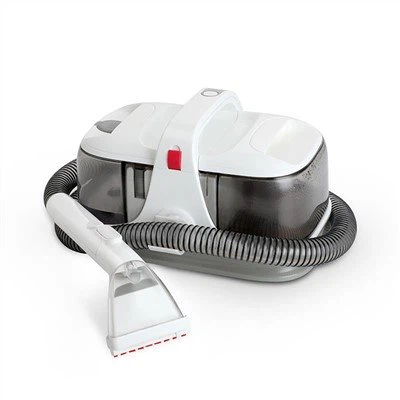
What is the cleaning capacity of a water vacuum air cleaner?
As a supplier of Water Vacuum Air Cleaners, I've witnessed firsthand the transformative power of these innovative cleaning machines. In this blog post, I'll delve into the cleaning capacity of water vacuum air cleaners, exploring their efficiency, effectiveness, and the various factors that influence their performance.
Understanding the Basics of Water Vacuum Air Cleaners
Before we discuss the cleaning capacity, let's briefly understand how water vacuum air cleaners work. Unlike traditional vacuum cleaners that rely on filters to trap dust and debris, water vacuum air cleaners use water as a natural filter. When the cleaner is turned on, air is drawn into the machine, passing through a water chamber. The water captures and retains dust, dirt, allergens, and other particles, leaving the air cleaner and fresher.
Measuring Cleaning Capacity
The cleaning capacity of a water vacuum air cleaner can be measured in several ways, including air flow rate, dust and debris collection, and filtration efficiency.
Air Flow Rate
The air flow rate, measured in cubic feet per minute (CFM), indicates how much air the cleaner can move through the machine in a minute. A higher CFM means the cleaner can cover a larger area more quickly, making it suitable for larger spaces. For example, a water vacuum air cleaner with a CFM of 100 can clean a small room effectively, while a model with a CFM of 300 or more is better suited for commercial or industrial settings.
Dust and Debris Collection
The amount of dust and debris a water vacuum air cleaner can collect is another important measure of its cleaning capacity. This is typically determined by the size of the water chamber and the efficiency of the water filtration system. A larger water chamber can hold more dust and debris, reducing the frequency of emptying. Additionally, a well-designed water filtration system ensures that even the smallest particles are captured and retained in the water.
Filtration Efficiency
Filtration efficiency refers to the ability of the water vacuum air cleaner to remove contaminants from the air. A high-quality cleaner can remove up to 99% of dust, pollen, pet dander, and other allergens, improving indoor air quality significantly. This is especially important for people with allergies or respiratory conditions.
Factors Affecting Cleaning Capacity
Several factors can affect the cleaning capacity of a water vacuum air cleaner, including the type of surface being cleaned, the size of the particles, and the frequency of use.


Type of Surface
Different surfaces require different cleaning approaches. For example, carpets tend to trap more dust and debris than hard floors, so a water vacuum air cleaner may need to work harder to clean carpets effectively. Some cleaners come with specialized attachments for different surfaces, such as a carpet brush or a hard floor nozzle, which can improve cleaning performance.
Size of Particles
The size of the particles being cleaned also plays a role in the cleaning capacity. Larger particles are easier to capture and retain in the water chamber, while smaller particles, such as dust mites and pollen, require a more efficient filtration system. A water vacuum air cleaner with a fine-mesh filter or a multi-stage filtration system can effectively capture these smaller particles.
Frequency of Use
Regular use of a water vacuum air cleaner can help maintain its cleaning capacity. Over time, the water in the chamber can become dirty and less effective at capturing particles. Therefore, it's important to empty and refill the water chamber regularly, following the manufacturer's instructions.
Applications of Water Vacuum Air Cleaners
Water vacuum air cleaners have a wide range of applications, from residential to commercial and industrial settings.
Residential Use
In homes, water vacuum air cleaners can be used to clean carpets, hard floors, upholstery, and curtains. They can also help remove pet hair and dander, reducing allergens and improving indoor air quality. For example, a Hydro Filtration Vacuum Cleaner is a popular choice for homeowners due to its efficient cleaning performance and ease of use.
Commercial Use
In commercial settings, such as offices, hotels, and restaurants, water vacuum air cleaners can help maintain a clean and healthy environment. They can quickly clean large areas, reducing downtime and improving productivity. The Water Vacuum Cleaner Industrial is designed specifically for commercial use, with a high air flow rate and a large water chamber.
Industrial Use
In industrial settings, water vacuum air cleaners are used to clean factories, warehouses, and workshops. They can handle heavy-duty cleaning tasks, such as removing dust, dirt, and debris from machinery and equipment. The Water Vacuum Cleaner Pool is a specialized model for cleaning swimming pools, effectively removing leaves, dirt, and other debris from the water.
Choosing the Right Water Vacuum Air Cleaner
When choosing a water vacuum air cleaner, it's important to consider your specific cleaning needs and the size of the area you need to clean. Here are some tips to help you make the right choice:
- Determine the size of the area: If you have a large area to clean, choose a cleaner with a high CFM and a large water chamber.
- Consider the type of surface: If you have a mix of carpets and hard floors, look for a cleaner with specialized attachments for different surfaces.
- Check the filtration efficiency: Look for a cleaner with a high filtration efficiency to ensure that it can remove even the smallest particles from the air.
- Read reviews and compare models: Before making a purchase, read reviews from other customers and compare different models to find the one that best suits your needs and budget.
Conclusion
In conclusion, the cleaning capacity of a water vacuum air cleaner is determined by its air flow rate, dust and debris collection, and filtration efficiency. These machines offer a powerful and effective way to clean a variety of surfaces and improve indoor air quality. Whether you're a homeowner, a business owner, or an industrial operator, there's a water vacuum air cleaner that can meet your cleaning needs.
If you're interested in learning more about our water vacuum air cleaners or would like to discuss your specific cleaning requirements, please feel free to reach out. We're here to help you find the perfect solution for your cleaning needs and look forward to the opportunity to work with you.
References
- "Principles of Vacuum Cleaning." Cleaning Equipment Manufacturer's Association.
- "Indoor Air Quality and Cleaning Technologies." Environmental Protection Agency.