


Hey there! I'm a supplier of Water Vacuum Cleaner Pool, and today I wanna chat about the power consumption of a battery - operated water vacuum cleaner for a pool.
So, first off, why does power consumption matter? Well, if you're a pool owner, you're probably always looking for ways to save on energy costs. And as a supplier, I know that customers are more likely to choose a product that is energy - efficient. A battery - operated pool water vacuum cleaner offers the convenience of not having to be plugged into an electrical outlet all the time, but it's important to understand how much power it actually uses.
Let's start by looking at the factors that affect the power consumption of these vacuum cleaners. The size of the pool is a huge factor. A larger pool will require the vacuum cleaner to run for a longer time to clean the entire area. For example, if you have a small, backyard pool that's just for a family of four to cool off in, the vacuum cleaner won't need to work as hard or as long as it would for a large commercial pool.
The type of debris in the pool also plays a role. If your pool has a lot of leaves, twigs, and large debris, the vacuum cleaner will have to use more power to suck them up. On the other hand, if the pool mainly has fine dust and small particles, the power consumption might be lower.
Another factor is the battery capacity of the vacuum cleaner. A higher - capacity battery can store more energy, but it doesn't necessarily mean that the vacuum cleaner will use less power. It just means that it can run for a longer time before needing to be recharged.
Now, let's talk numbers. On average, a battery - operated water vacuum cleaner for a pool might consume anywhere from 50 to 200 watts per hour. This is a pretty wide range, but it gives you an idea of what to expect.
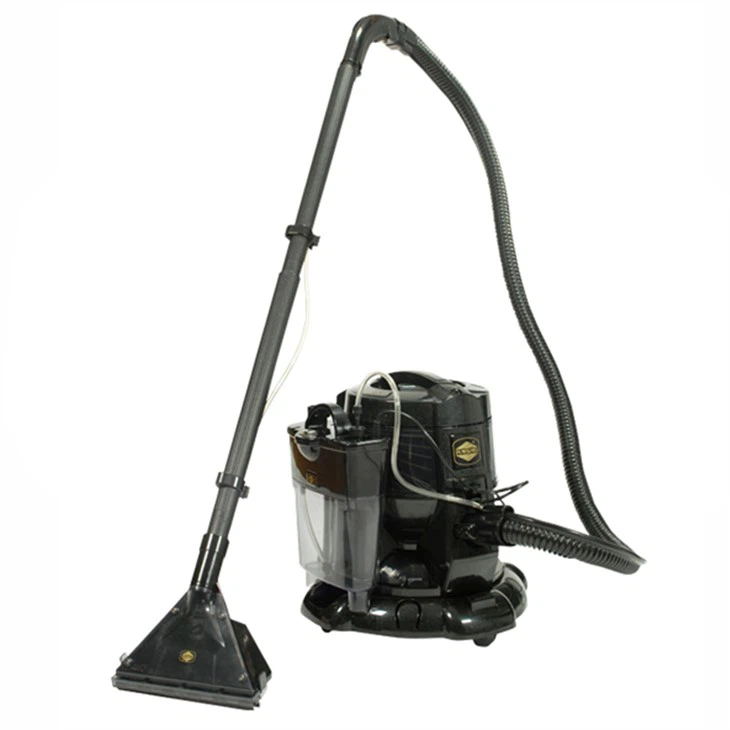

For a small - sized pool, a vacuum cleaner with a power consumption of around 50 - 100 watts per hour might be sufficient. These are usually more compact models that are designed for light - duty cleaning. They're great for quickly cleaning up after a small pool party or for regular maintenance.
If you have a medium - sized pool, you might need a vacuum cleaner that consumes 100 - 150 watts per hour. These models are a bit more powerful and can handle a bit more debris. They can clean the pool faster and more thoroughly.
For large commercial pools or pools with a lot of debris, you'll probably need a heavy - duty vacuum cleaner that can consume up to 200 watts per hour. These models are built to handle tough cleaning jobs and can run for longer periods without overheating.
But how do you know if the power consumption of a particular vacuum cleaner is right for you? Well, you need to consider your pool size, how often you clean the pool, and your budget for energy costs. If you're on a tight budget and have a small pool, you might want to go for a lower - power - consuming model. But if you have a large pool and don't mind spending a bit more on energy, a high - power model might be the way to go.
At our company, we offer a range of battery - operated water vacuum cleaners for pools. Our Water Vacuum Cleaner Pool models are designed to be energy - efficient without compromising on cleaning performance. We also have Water Vacuum Cleaner Industrial models for those who need a more heavy - duty solution. And if you're looking for a more advanced filtration system, our Hydro Filtration Vacuum Cleaner is a great option.
One thing to keep in mind is that the power consumption can also be affected by how you use the vacuum cleaner. For example, if you run the vacuum cleaner at full power all the time, it will use more energy than if you adjust the power settings according to the cleaning needs. Some of our models come with adjustable power settings, which can help you save on energy costs.
Also, proper maintenance of the vacuum cleaner can help reduce power consumption. Make sure to clean the filters regularly, as clogged filters can make the vacuum cleaner work harder and use more power. Check the battery regularly and replace it if it's not holding a charge properly.
In conclusion, understanding the power consumption of a battery - operated water vacuum cleaner for a pool is important for both pool owners and suppliers like me. By choosing the right model based on your pool size and cleaning needs, you can save on energy costs and keep your pool clean and sparkling.
If you're interested in learning more about our products or have any questions about power consumption, feel free to reach out. We're always happy to help you find the best solution for your pool. Whether you're a homeowner or a commercial pool operator, we have the right vacuum cleaner for you. So, don't hesitate to contact us for a purchase and let's start this cleaning journey together!
References:
- General knowledge of pool cleaning equipment and energy consumption in the industry.
- In - house product testing and research on battery - operated pool vacuum cleaners.


