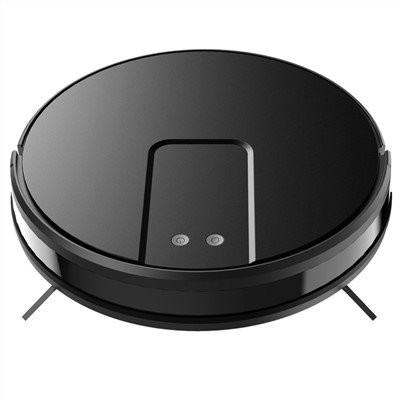
The weight of a typical robot smart vacuum cleaner is a crucial factor that affects its performance, portability, and overall user experience. As a leading supplier of robot smart vacuum cleaners, we understand the significance of this aspect and strive to provide products that strike the perfect balance between functionality and weight. In this blog, we'll delve into the various factors that influence the weight of these devices, explore the trade - offs associated with different weights, and provide insights into what you can expect from a typical unit.
Factors Influencing the Weight of Robot Smart Vacuum Cleaners
Battery Capacity
One of the primary factors contributing to the weight of a robot smart vacuum cleaner is its battery. Modern smart vacuum cleaners rely on rechargeable batteries to operate autonomously. The larger the battery capacity, the more power it can store, which generally translates to a longer cleaning time. However, larger battery capacities also mean more weight. High - end models with extended runtime might be heavier due to the inclusion of larger and more powerful batteries. For instance, a robot vacuum with a high - capacity lithium - ion battery designed to clean large areas in a single charge will weigh more compared to a basic model with a smaller battery for light - duty cleaning.
Cleaning Mechanisms
The type and complexity of the cleaning mechanisms installed in the vacuum cleaner also play a significant role in determining its weight. Some robot smart vacuum cleaners come equipped with multiple cleaning functions such as sweeping, mopping, and scrubbing. These models often have additional components like water tanks, mops, and more powerful suction motors. For example, a Robot Mop Cleaner Gyroscope Navigation might have a weighty water tank and associated plumbing systems that contribute to its overall mass. A more powerful suction motor, which is essential for deep - cleaning carpets and removing stubborn dirt, will also add to the weight of the device.
Structural Materials
The materials used in the construction of the robot vacuum cleaner affect its weight. High - quality, durable materials like thick plastics, metals, and reinforced composites are often used to ensure the longevity and sturdiness of the device. While these materials offer better protection against impacts and wear, they also increase the weight. On the other hand, some manufacturers may use lightweight plastics to reduce the overall weight at the cost of slightly reduced durability. The choice of structural materials is a balance between the need for strength and the desire to keep the device lightweight.
Additional Features
Advanced features such as gyroscope navigation, object detection sensors, and Wi - Fi connectivity can add to the weight of the robot smart vacuum cleaner. Gyroscope navigation systems, which are found in Robot Vacuum Gyro Floor Care, use sensors and microprocessors to accurately map and clean a room. These components have a certain mass, and as more features are added to enhance the vacuum cleaner's intelligence and functionality, the overall weight increases.
Typical Weight Ranges
Robot smart vacuum cleaners can vary widely in weight depending on their size, features, and intended use. Generally, entry - level models with basic cleaning functions and small battery capacities may weigh as little as 2 - 3 kilograms. These lightweight models are ideal for small apartments or for quick spot - cleaning.
Mid - range models, which often come with a combination of suction power, a reasonable battery life, and some advanced features like basic navigation, typically weigh between 3 - 5 kilograms. They offer a good balance between performance and portability and are suitable for medium - sized homes.
High - end, feature - rich models with advanced navigation systems, large battery capacities, and multiple cleaning functions can weigh 5 kilograms or more. These heavy - duty units are designed to handle large areas, deep - clean carpets, and provide a comprehensive cleaning solution. For example, a Robotic Vacuum Cleaner with a large water tank for mopping, a powerful suction motor, and a state - of - the - art navigation system might tip the scales at around 6 - 7 kilograms.
Trade - offs Associated with Different Weights
Portability
Lightweight robot smart vacuum cleaners are highly portable. They can be easily moved from room to room, carried up and down stairs, or stored in a small closet when not in use. This makes them convenient for users who have a multi - level home or limited storage space. However, they may lack the power and features of heavier models.
Heavier vacuum cleaners, on the other hand, are less portable but offer greater stability during operation. They are less likely to be knocked over or disrupted by obstacles, which can be beneficial when cleaning larger or more cluttered areas.


Cleaning Performance
In many cases, a heavier robot smart vacuum cleaner can deliver better cleaning performance. The additional weight can provide more downward force on the cleaning brushes, allowing them to better agitate and remove dirt from carpets. A heavier device may also be able to carry larger dustbins and water tanks, reducing the frequency of emptying or refilling during a cleaning session.
However, a very heavy vacuum cleaner may have difficulty maneuvering in tight spaces, such as under low - clearance furniture. This can limit its effectiveness in thoroughly cleaning all areas of a room.
Energy Efficiency
Lighter vacuum cleaners generally require less energy to move around, which can result in better energy efficiency. They can operate for longer periods on a single charge compared to heavier models. This is an important consideration for users who are concerned about energy consumption and want to minimize their environmental impact.
What to Look for When Considering Weight
When choosing a robot smart vacuum cleaner, it's important to consider your specific needs and cleaning requirements. If you have a small living space and prefer a vacuum cleaner that is easy to move and store, a lightweight model may be the best choice. On the other hand, if you have a large home with carpets and require a more powerful cleaning solution, a heavier, feature - rich model will likely serve you better.
You should also take into account the ease of access to different areas of your home. If you have a lot of low - lying furniture or narrow passageways, a lighter and more maneuverable vacuum cleaner may be more suitable.
Contact Us for Purchasing
As a leading supplier of robot smart vacuum cleaners, we offer a wide range of models with different weights, features, and price points. Whether you're looking for a lightweight unit for quick cleaning or a heavy - duty model for comprehensive coverage, we have the perfect solution for you.
If you're interested in learning more about our products or would like to discuss your specific requirements, we encourage you to reach out to our sales team. We can provide detailed information about each model, including its weight, performance, and features. Our experts are ready to assist you in making an informed purchasing decision that meets your needs and budget.
References
- "Home Appliance Technology Handbook", a comprehensive guide on the technology behind home appliances including robot vacuum cleaners.
- Industry reports on the development and trends of robot smart vacuum cleaners, which provide insights into the factors influencing their design and performance.