


Cleaning sloped floors can be a challenging task, but with the right equipment and techniques, it can be made significantly easier. As a hardfloor washer supplier, I've had the opportunity to see firsthand how our products can transform the cleaning process on sloped surfaces. In this blog, I'll share some valuable insights on how to effectively use a hardfloor washer on a sloped floor.
Understanding the Challenges of Cleaning Sloped Floors
Before delving into the usage of a hardfloor washer, it's crucial to understand the unique challenges presented by sloped floors. Gravity plays a significant role, causing water and cleaning solutions to flow downhill. This can lead to uneven cleaning, streaks, and even pooling of water in lower areas. Additionally, the angle of the slope can make it more difficult to maneuver the cleaning equipment and ensure thorough coverage.
Choosing the Right Hardfloor Washer
Not all hardfloor washers are created equal, especially when it comes to cleaning sloped floors. Here are some key features to look for when selecting a suitable machine:
- Stability: A hardfloor washer with a low center of gravity and wide base will provide better stability on a sloped surface, reducing the risk of tipping over.
- Maneuverability: Opt for a machine that is easy to steer and control, allowing you to navigate around obstacles and follow the contours of the slope.
- Suction Power: Strong suction is essential for quickly removing water and dirt from the floor, preventing it from flowing downhill and leaving behind residue.
- Adjustable Settings: Some hardfloor washers offer adjustable settings for water flow, pressure, and brush rotation speed. These features allow you to customize the cleaning process based on the specific requirements of the sloped floor.
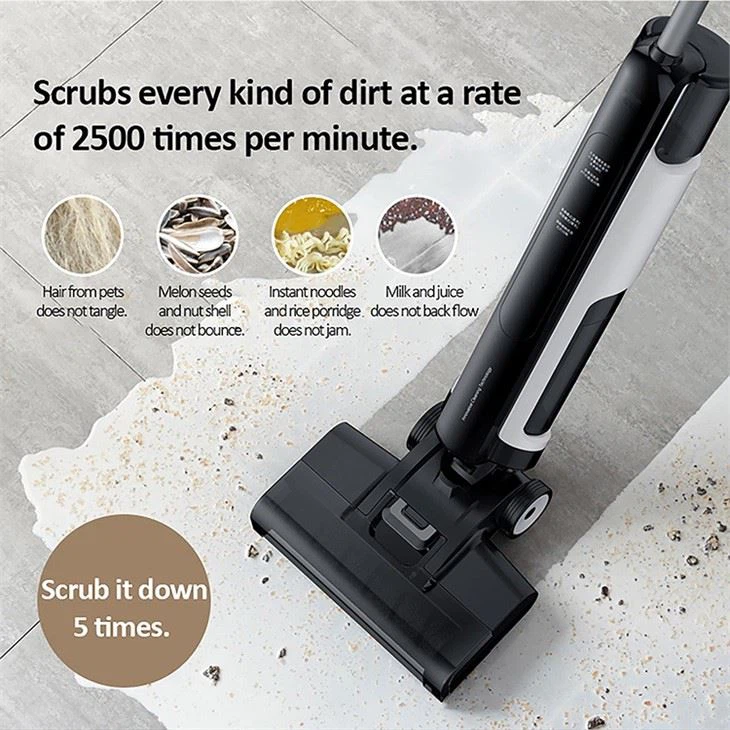
As a supplier, we offer a range of high-quality hardfloor washers that are specifically designed to meet the challenges of cleaning sloped floors. Our Hard Floor Mop Machine is a popular choice, known for its stability, maneuverability, and powerful cleaning performance.
Preparing the Floor
Before using the hardfloor washer, it's important to prepare the sloped floor to ensure optimal cleaning results. Here are some steps to follow:
- Remove Debris: Start by sweeping or vacuuming the floor to remove any loose dirt, dust, or debris. This will prevent the hardfloor washer from spreading the dirt around and clogging the brushes or suction nozzles.
- Inspect for Damage: Check the floor for any cracks, chips, or other damage that could affect the cleaning process or cause damage to the hardfloor washer. If any damage is found, it should be repaired before proceeding with the cleaning.
- Protect Surrounding Areas: Use barriers or masking tape to protect any adjacent walls, furniture, or other surfaces from water and cleaning solutions. This will prevent damage and make the cleaning process more efficient.
Using the Hardfloor Washer
Once the floor is prepared, it's time to start using the hardfloor washer. Here are some tips to help you get the best results:
- Start at the Top: Begin cleaning at the highest point of the slope and work your way down. This will prevent water and cleaning solutions from flowing back onto the already cleaned areas.
- Overlap Each Pass: To ensure thorough cleaning, overlap each pass of the hardfloor washer by about 25%. This will help to eliminate streaks and ensure that the entire floor surface is cleaned evenly.
- Use Slow and Steady Movements: Avoid moving the hardfloor washer too quickly, as this can cause the water and cleaning solutions to splash and not be properly suctioned up. Instead, use slow and steady movements to allow the machine to do its job effectively.
- Pay Attention to Corners and Edges: Use the appropriate attachments or accessories to clean corners, edges, and other hard-to-reach areas. This will ensure that the entire floor is cleaned thoroughly.
- Empty the Water Tank Regularly: As you clean, the water tank of the hardfloor washer will fill up with dirty water. Make sure to empty the tank regularly to maintain optimal suction power and prevent the machine from malfunctioning.
Additional Tips and Tricks
Here are some additional tips and tricks to help you use a hardfloor washer on a sloped floor more effectively:
- Use the Right Cleaning Solution: Choose a cleaning solution that is suitable for the type of floor surface and the level of dirt and grime. Follow the manufacturer's instructions for diluting the cleaning solution and using it with the hardfloor washer.
- Test the Machine on a Small Area: Before cleaning the entire sloped floor, test the hardfloor washer on a small, inconspicuous area to ensure that it does not cause any damage or discoloration.
- Maintain the Machine Regularly: To keep the hardfloor washer in good working condition, follow the manufacturer's instructions for maintenance and cleaning. This includes emptying the water tank, cleaning the brushes and suction nozzles, and replacing any worn or damaged parts.
- Seek Professional Help if Needed: If you have a large or particularly challenging sloped floor to clean, or if you are unsure how to use the hardfloor washer properly, consider seeking the help of a professional cleaning service.
Conclusion
Cleaning a sloped floor with a hardfloor washer can be a challenging but rewarding task. By understanding the unique challenges presented by sloped floors, choosing the right hardfloor washer, preparing the floor properly, and using the machine correctly, you can achieve excellent cleaning results. As a hardfloor washer supplier, we are committed to providing our customers with high-quality products and expert advice to help them tackle even the toughest cleaning jobs. If you have any questions or would like to learn more about our Electric Hard Floor Washer or Cordless Hardfloor Cleaner Wet Dry Mop, please don't hesitate to contact us. We look forward to helping you find the perfect solution for your cleaning needs.

References
- Manufacturer's instructions for hardfloor washers
- Industry best practices for cleaning sloped floors


